
★★★★★ Rated 5.0 on Google · Toronto, ON
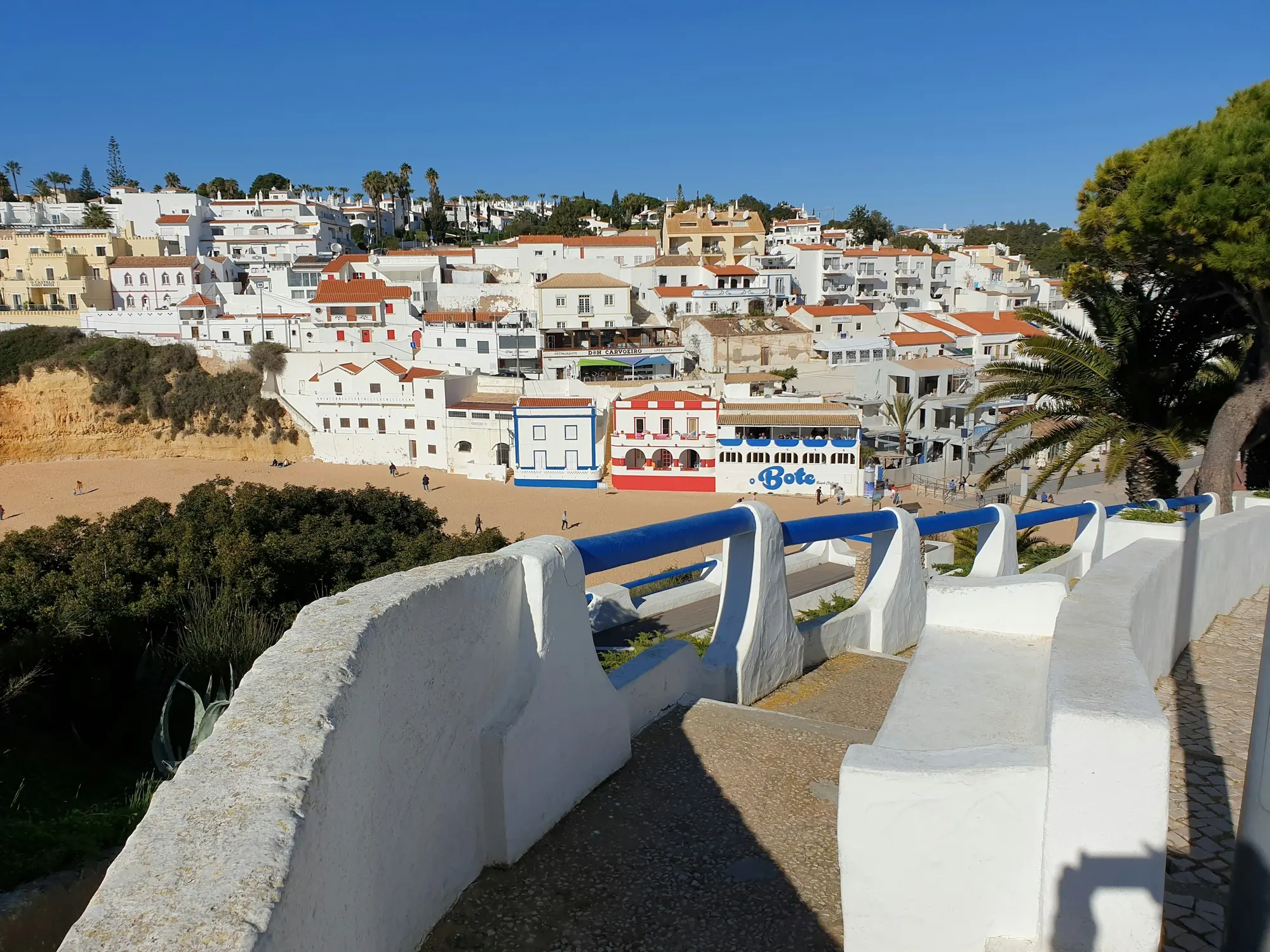
The town of Carvoeiro on the Algarve coast, Portugal – D7 Visa Portugal
Portugal · D7 Visa

D7 visa Portugal

the D7 passive income visa for retirees and investment-income households, from €920 a month

The Portugal D7 passive income visa is the most affordable residence permit in Western Europe for applicants who intend to relocate: passive income of at least €920 a month (the 2026 minimum wage), a place to live, and a commitment to spend 16 months of every 24 in the country. Tax residence follows the move, and citizenship takes ten years from the first card.

Figures verified 27 September 2026 · Licensed CICC consultant, Toronto

Portugal D7 visa: key facts, income thresholds and eligibility

Required Income of €920 a Month
2026 minimum wage; +50% per additional adult, +30% per child; pensions, dividends, rents, royalties, interest
Savings of About a Year of Income in a Portuguese Account
€11,040 for a single applicant; consulates apply this as practice
Residence of 16 Months in Any 24
the temporary permit lapses if you are away longer; this is a permit to live in Portugal
Consular Decision in a Few Months
then a four-month entry visa and AIMA biometrics in Portugal
2-Year Residence Card
renewable while income and residence continue; permanent residence possible at 5 years
Citizenship Eligibility After 10 Years
from the first residence card; 7 for EU and CPLP nationals; A2 Portuguese
Work and Business Activity Allowed
you may work or run a business once resident, but qualifying income must be passive
Portuguese Tax Residency Applies
183 days makes you resident; NHR is closed; IFICI rarely covers pension income

Portugal D7 visa requirements: income by family size and documents

Minimums are set from the Portuguese minimum wage, €920 a month in 2026: 100% for the main applicant, 50% per additional adult, 30% per child. Consulates expect about a year of that income in savings as well.

Monthly passive income required

  • Single applicant: €920 a month (€11,040 a year)
  • Couple: €1,380 a month (€16,560 a year)
  • Couple with one child: €1,656 a month (€19,872 a year)
  • Couple with two children: €1,932 a month (€23,184 a year)
  • Applicant with one dependent parent: €1,380 a month

What counts as passive income

  • Pensions: US Social Security, CPP, OAS, employer and private pensions
  • Dividends and interest from investments
  • Rental income from property anywhere
  • Royalties and intellectual-property income
  • Not counted: salary from active employment, even remote (that is the D8)

Documents

  • Passport valid at least three months beyond the visa
  • Twelve months of bank statements and evidence of the income source
  • Portuguese NIF and bank account with the savings balance
  • Lease or deed for accommodation in Portugal (12-month lease is the norm)
  • FBI or RCMP criminal record certificate, apostilled, plus Portuguese consent to check its records
  • Health insurance covering Portugal until you enter the public system
  • Consular fee and, later, the AIMA card fee (a few hundred euros per person)

Portugal D7 visa application process and processing times

Filed at the Portuguese consulate for your US state or Canadian province, then completed at AIMA in Portugal.

  1. 1

    Income test and plan 1–2 weeks

    We confirm your income meets the family threshold with margin, and set the tax plan for the move with your accountant.

  2. 2

    NIF, bank account, accommodation 3–6 weeks

    Tax number and account opened remotely through a representative; a twelve-month lease or purchase secured.

  3. 3

    Consular filing 2–4 months

    Application with income evidence, police certificate, insurance and lease. Consular decision follows.

  4. 4

    Entry and AIMA biometrics AIMA appointment within the visa's validity

    Four-month entry visa; biometrics at AIMA in Portugal; two-year residence card. Residence for naturalisation is counted from this card's date.

  5. 5

    Renewal at two years years 2–10

    Show continued income and 16 months' presence in the last 24. Permanent residence available at five years; citizenship at ten with A2 Portuguese.

Portugal D7 visa benefits and risks

What you gain

  • The lowest entry price to EU residence€920 a month of pension or investment income, against €500,000 for the golden visa.
  • Family includedSpouse, dependent children and dependent parents on the same application and residence timeline.
  • Full residence rightsPublic healthcare, schools, the right to work, Schengen travel, no ETIAS.

What could go wrong

  • You must live thereSixteen months in any twenty-four. Below that threshold the permit lapses. For residence held in reserve, the golden visa is the appropriate route.
  • Tax residence followsProgressive Portuguese rates on worldwide income. NHR is closed and IFICI does not cover pensions or most passive income.
  • Departure and filing at homeCanadians face departure tax on leaving; Americans continue to file US returns, FBAR and FATCA reports.
  • Ten years to a passportThe May 2026 Nationality Law counts ten years from the first card (seven for CPLP nationals).
Jane Katkova, licensed CICC citizenship and residency by investment consultant
Licensed CICC consultancy, Toronto

Plan Portugal residency with a licensed consultant

Jane Katkova has advised on citizenship and residence by investment since 1998. We confirm eligibility, the complete fee schedule and the realistic processing time before you pay anything, and we advise against a programme when it does not fit your circumstances.

  • 25+ yearsadvising on global mobility
  • CICC licensedregulated Canadian consultant
  • 5.0 on Googleclient review rating
  • Toronto officeclients across the US and Canada

Portugal D7 visa compared with the D8 visa and golden visa

D7 passive incomeD8 digital nomadGolden visa
Qualifying money€920 a month passive€3,680 a month remote work + €11,040 savings€500,000 fund or €250,000 donation
Must live in PortugalYes: 16 months in 24YesNo: 7 days a year
Tax residenceYesYesOnly if you move
Best forRetirees, investment-income householdsRemote employees and freelancersThose keeping their life in the US or Canada
Citizenship10 years from first card10 years from first card10 years from first card

Who the Portugal D7 visa suits: US and Canadian applicants

For US and Canadian citizens

If you are retiring, semi-retiring or living on investment income and you want to live in Portugal, the D7 is the appropriate permit; the golden visa's €500,000 secures residence without relocating, which you do not require. A US Social Security payment or a Canadian pension counts. Because you will spend most of the year in Portugal, you become Portuguese tax resident: progressive rates on worldwide income, with the US–Portugal or Canada–Portugal treaty deciding what each country taxes. Americans keep filing US returns, FBAR and FATCA; the treaty and foreign tax credits stop most double tax. Canadians who sever residential ties face departure tax on deemed dispositions in the year they leave, and RRSP and CPP treatment under the treaty needs a plan before the move.

For US and Canada residents on another passport

The D7 works if you have passive income from anywhere: rents at home, dividends, a pension. It requires you to move, so it is a relocation permit, not a contingency residence held in reserve; for that, see the golden visa. Your US or Canadian status does not survive a long absence, so plan the order of moves. Naturalisation takes ten years of residence (seven on a CPLP passport) plus A2 Portuguese.

Request a written D7 visa income assessment

Send us your income sources and family size and we will tell you, in writing, whether the D7 fits, which consulate you file with, and what the move does to your US or Canadian tax. Jane Katkova, licensed CICC consultant, Toronto.

Frequently Asked Questions

Portugal residency: your questions answered

How much income do I need for the Portugal D7 visa in 2026?

€920 a month for the main applicant, equal to the 2026 Portuguese minimum wage; add 50% (€460) per additional adult and 30% (€276) per child. A couple needs €1,380 a month, a couple with one child €1,656. Consulates also expect roughly a year of that income in savings in a Portuguese bank account.

Does US Social Security or a Canadian pension count?

Yes. Pensions of any kind, including Social Security, CPP, OAS and employer plans, are the most common D7 income. Dividends, interest, rents and royalties also count. Salary from active work, even remote, does not; that is the D8 visa.

Do I have to live in Portugal on the D7?

Yes: at least 16 months in any 24-month period while on the temporary permit. This makes you Portuguese tax resident. If you want a permit you can hold without moving, the golden visa, with its seven-day rule, is the appropriate route.

Can I work in Portugal on a D7 visa?

Yes, once you hold the residence card you may take employment or run a business. The visa is granted on passive income, but it does not forbid work afterwards. Any Portuguese work income is taxed at ordinary rates unless you qualify for IFICI.

How long until citizenship on the D7?

Ten years of legal residence counted from your first residence card, under the Nationality Law in force since 19 May 2026 (seven for EU and CPLP nationals), plus A2 Portuguese and a clean record. Permanent residence is available at five years.

Jane Katkova, founder of Fast Passport Boutique and licensed CICC consultant for citizenship and residency by investment
Talk to Jane Katkova's team

Discuss Portugal with a licensed consultant

A confidential consultation with a licensed CICC consultant. We assess eligibility and total cost before you commit to any programme.

  • Licensed CICC consultant
  • Toronto office, clients across the US and Canada
  • Confidential first consultation
Reviewed by our clients on GoogleLicensed CICC MemberAdvising HNW families since 1998