
★★★★★ Rated 5.0 on Google · Toronto, ON
The Pitons of St Lucia rising from the Caribbean Sea – Citizenship by Investment
Citizenship by Investment

Citizenship by investment

Caribbean CBI programmes and Canadian citizenship by birth, for US and Canadian residents

Five Caribbean countries grant citizenship for a qualifying investment, from US$200,000. We help families in Toronto, across Canada and the United States select the right programme, file a complete application and understand its legal and tax implications.

Figures verified 27 September 2026 · Licensed CICC consultant, Toronto

US$200,000lowest qualifying investment
5–18 monthsrealistic processing, by programme
5 programmesplus Canadian citizenship by birth
0 daysresidency today; 30 days coming

Citizenship by investment: key facts, costs and eligibility (2026)

Full Citizenship and a Passport for Life
Transmissible to future children; dual citizenship allowed
Antigua & Barbuda, Dominica, Grenada, St Kitts & Nevis, Saint Lucia
All Commonwealth and CARICOM members
Minimum Investment of US$200,000–250,000
Non-refundable donation; real estate from US$200,000–325,000
Family of Four at US$230,000–250,000
Government fees on top: roughly US$15,000–40,000
Processing Time of 5 to 18 Months
Q4 2025 averages, fastest to slowest: St Kitts, Grenada, Dominica, Antigua, St Lucia
No Residency Requirement Today
ECCIRA: 30 days in the first five years, being phased in during 2026
Applications Through an Authorised Agent Only
No programme accepts direct filings
Regulated by ECCIRA Since December 2025
Shared due diligence, interviews, biometrics, escrow

Citizenship by investment programmes we advise on

Each programme has a different fee structure, processing time and set of trade-offs. Start with the one that fits your situation, then read its cost and requirements pages.

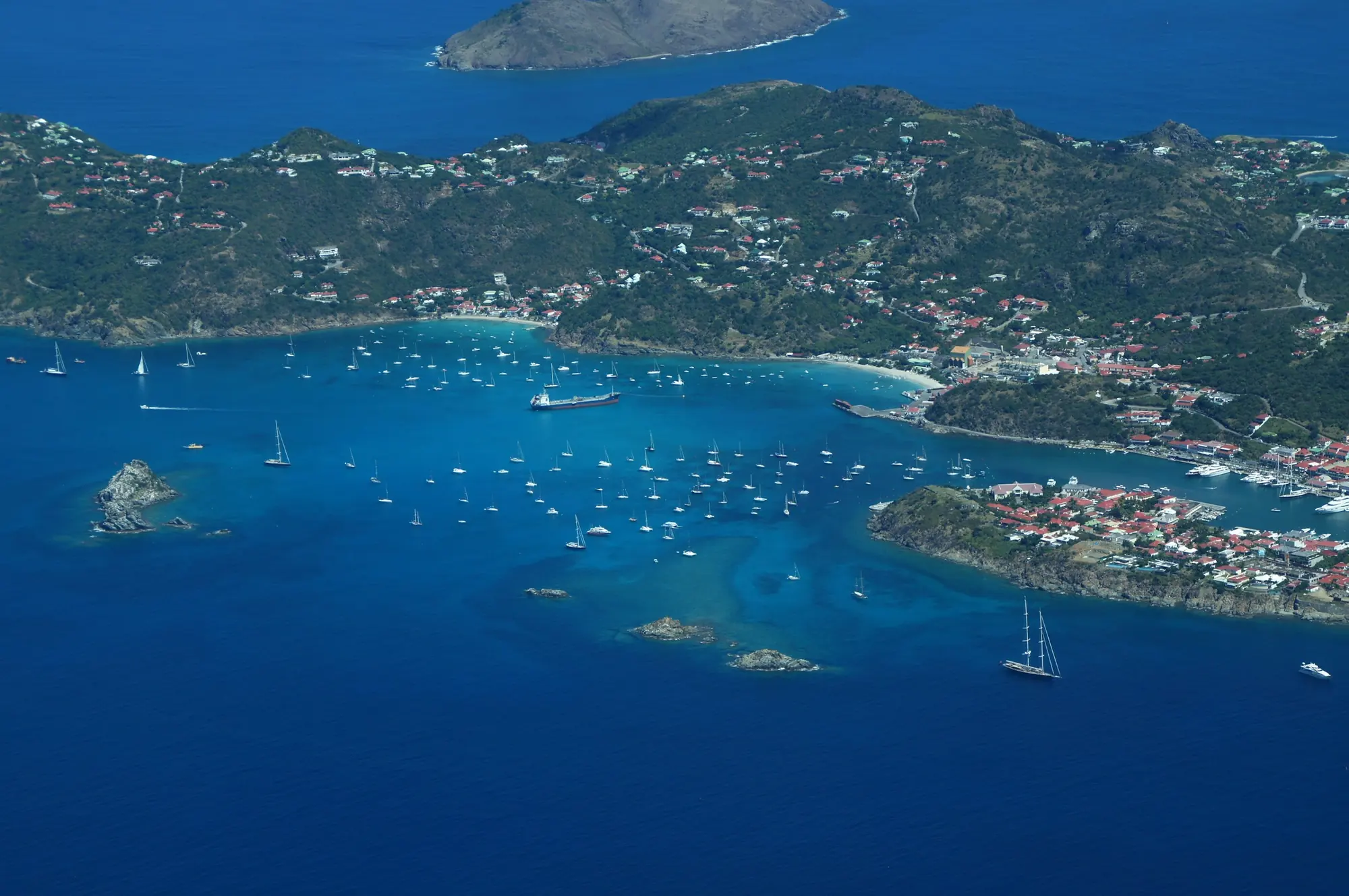
Aerial view of the St Kitts coast, its bays and hillside homes – St Kitts and Nevis citizenship by investment

St Kitts and Nevis

From US$250,000

The oldest programme (1984), the fastest processing and the strongest passport of the five.

  • 5 months average
  • UK and Schengen visa-free
  • Not in the US proclamation
St Kitts and Nevis citizenship →
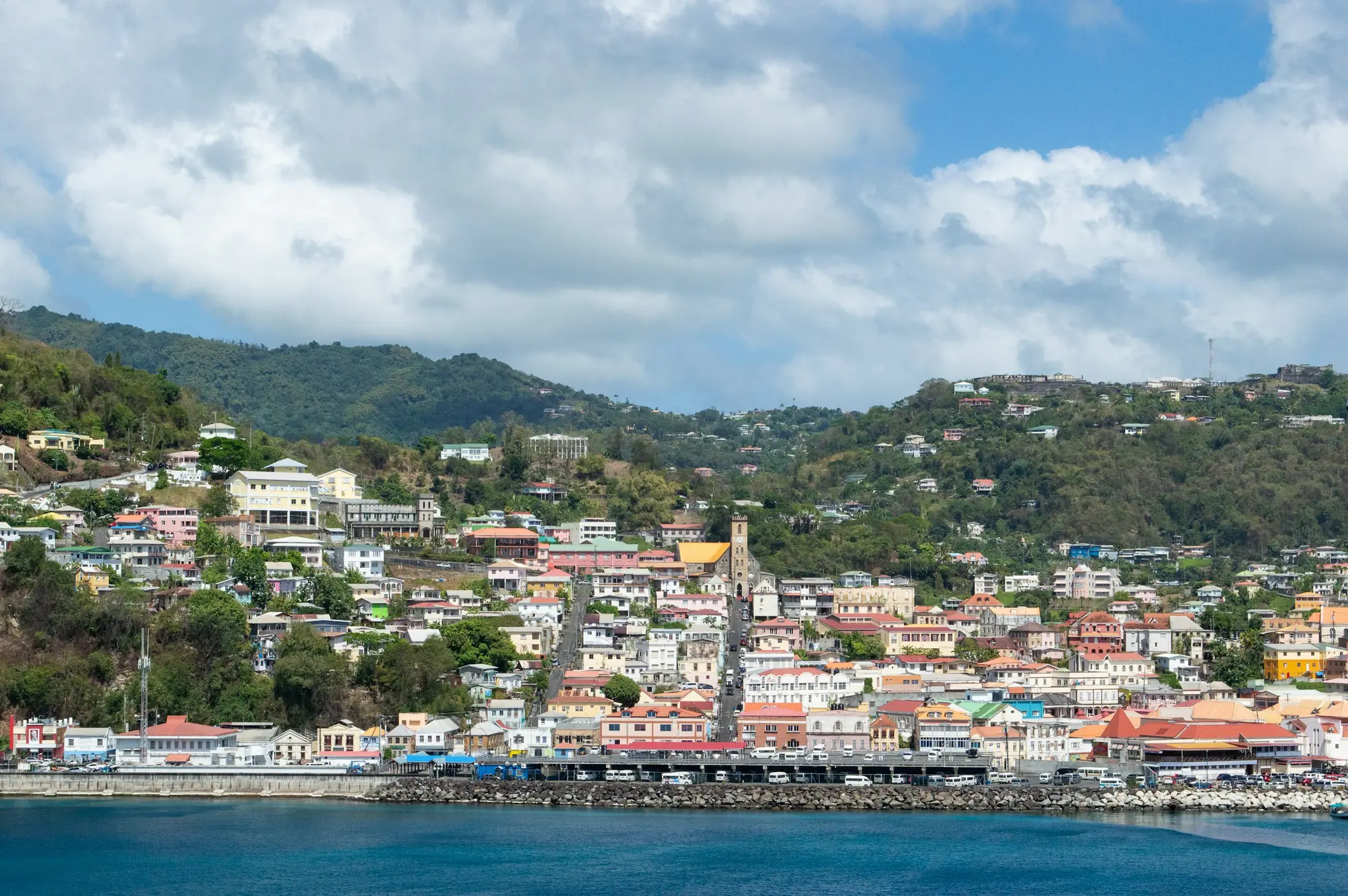
St George's, Grenada, seen from the water with the green hills behind – Grenada citizenship by investment

Grenada

From US$235,000

The only Caribbean passport with a US E-2 treaty and visa-free China.

  • 7 months average
  • E-2 investor visa route
  • Not in the US proclamation
Grenada citizenship →
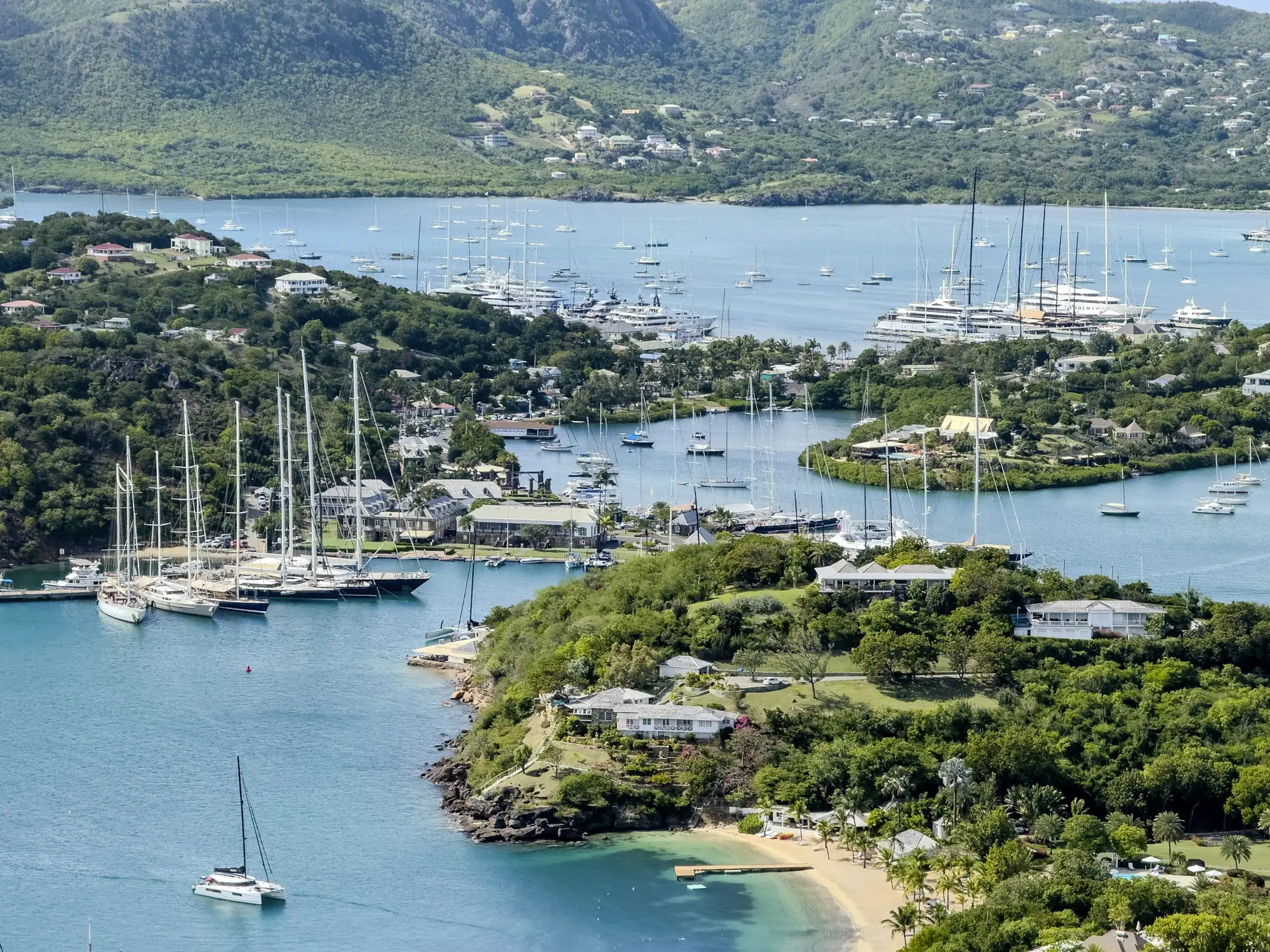
Yachts at anchor in English Harbour, Antigua, below green hills – Antigua and Barbuda citizenship by investment

Antigua and Barbuda

From US$230,000

A flat donation that covers a family of four; well suited to larger families.

  • 14 months average
  • UK and Schengen visa-free
  • US proclamation applies
Antigua and Barbuda citizenship →
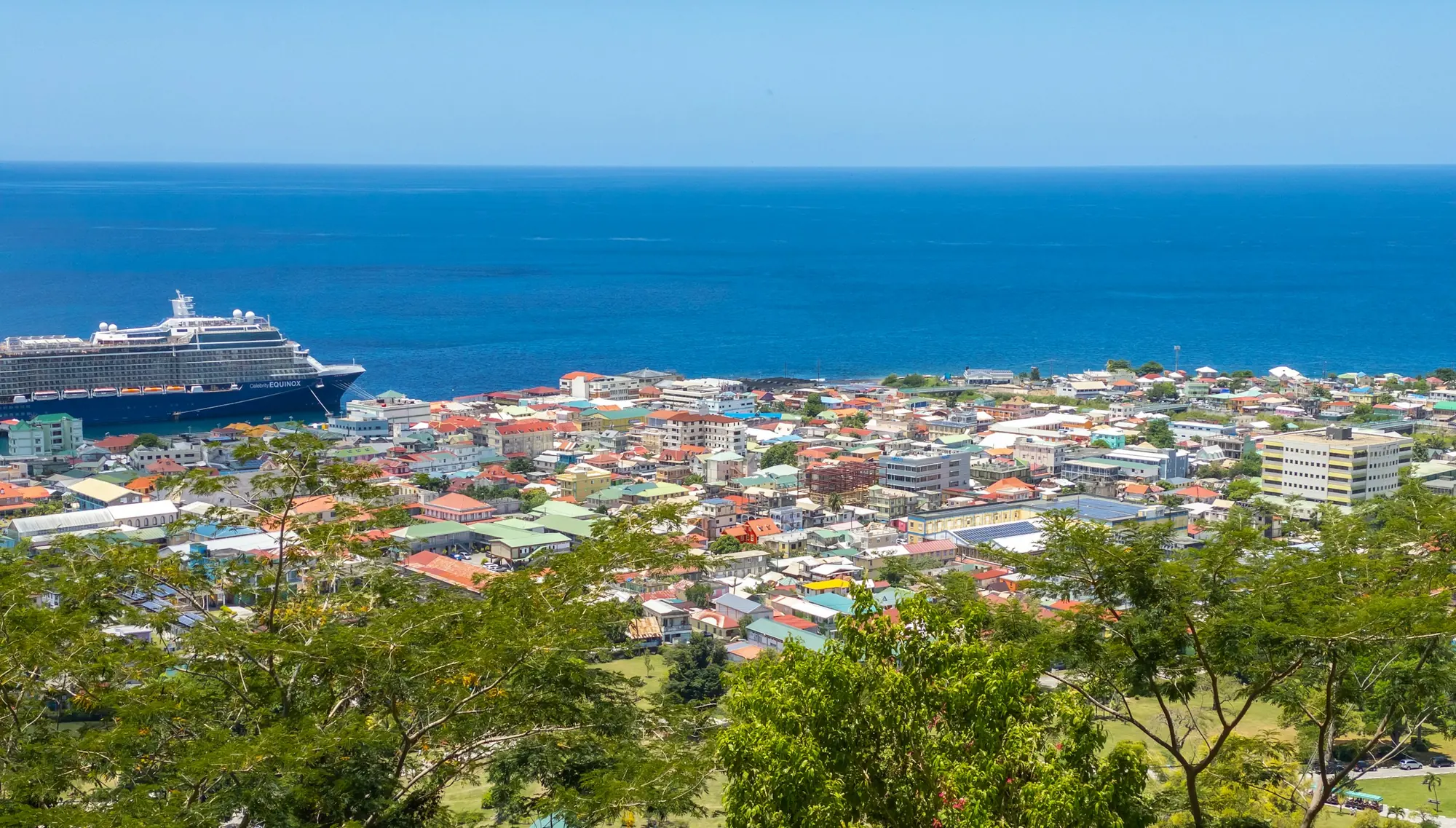
Roseau, the capital of Dominica, between the rainforest and the sea – Dominica citizenship by investment

Dominica

From US$200,000

The lowest minimum investment in the Caribbean and the shortest real estate holding period.

  • 9 months average
  • No UK visa-free access
  • US proclamation applies
Dominica citizenship →
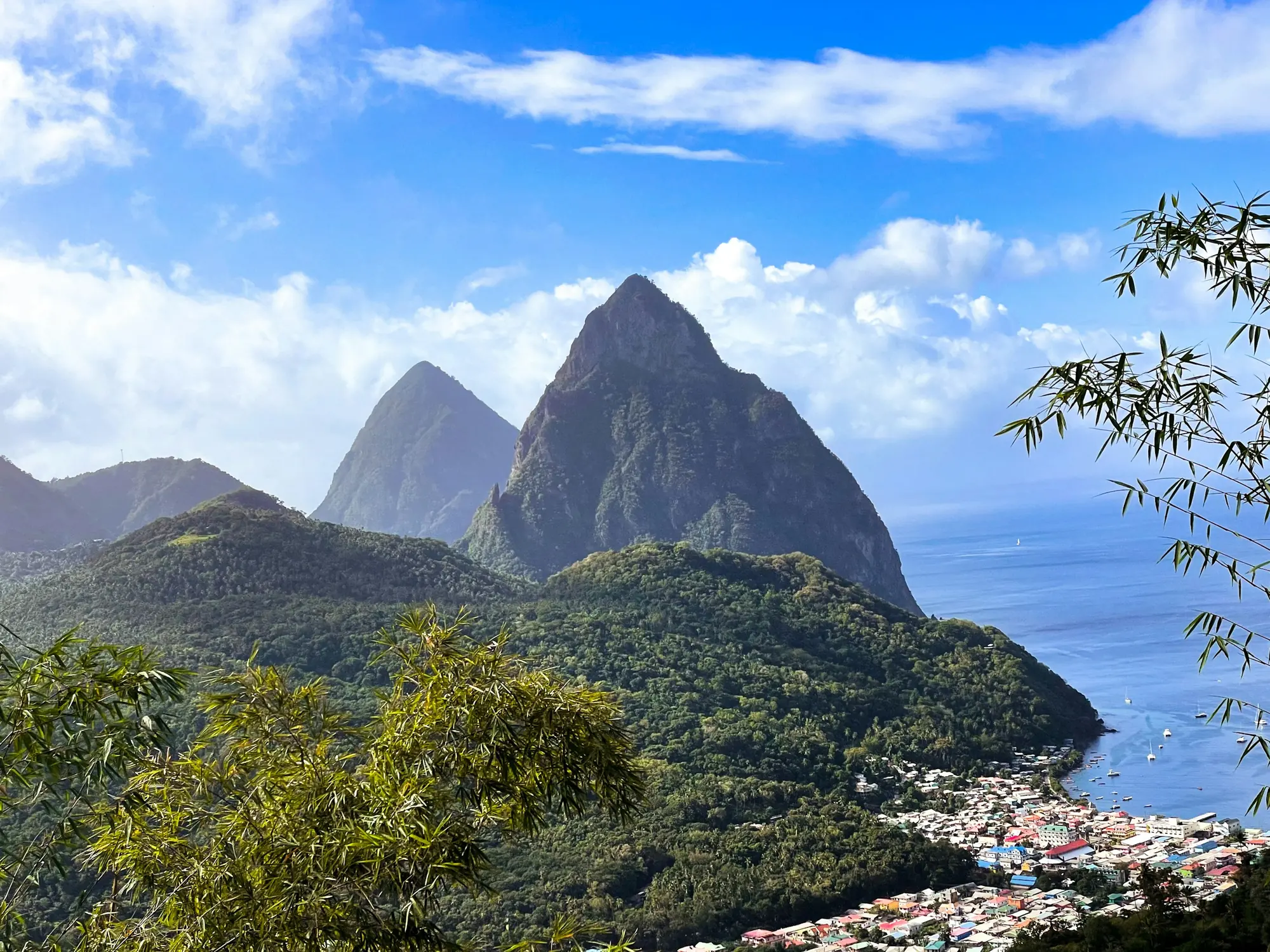
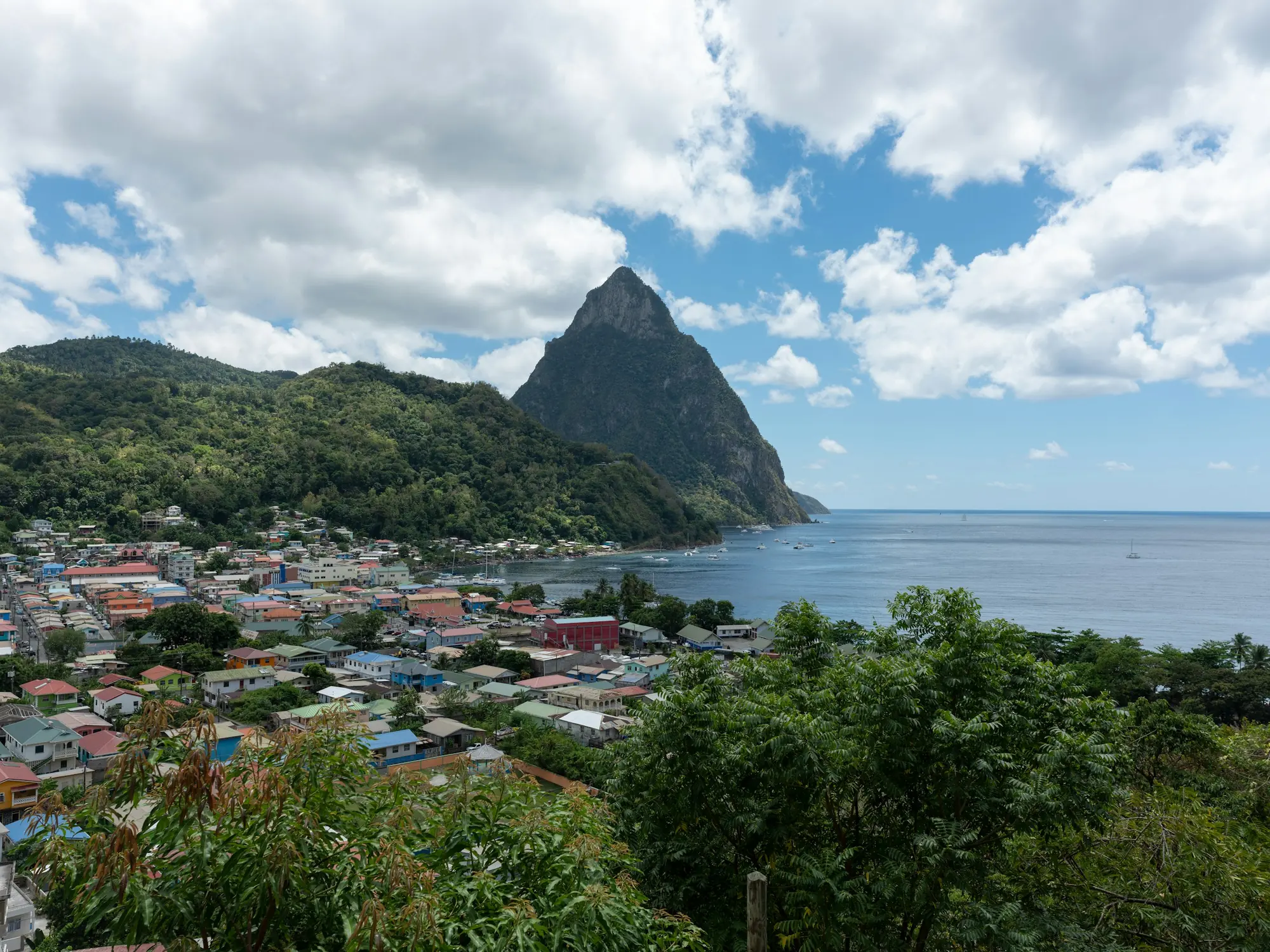
Soufrière, St Lucia, with Petit Piton rising from the sea – Saint Lucia citizenship by investment

Saint Lucia

From US$240,000

Four routes including the only government bond, and the lowest additional-dependant contributions.

  • 18 months average
  • No UK visa-free access since March 2026
  • Not in the US proclamation
Saint Lucia citizenship →
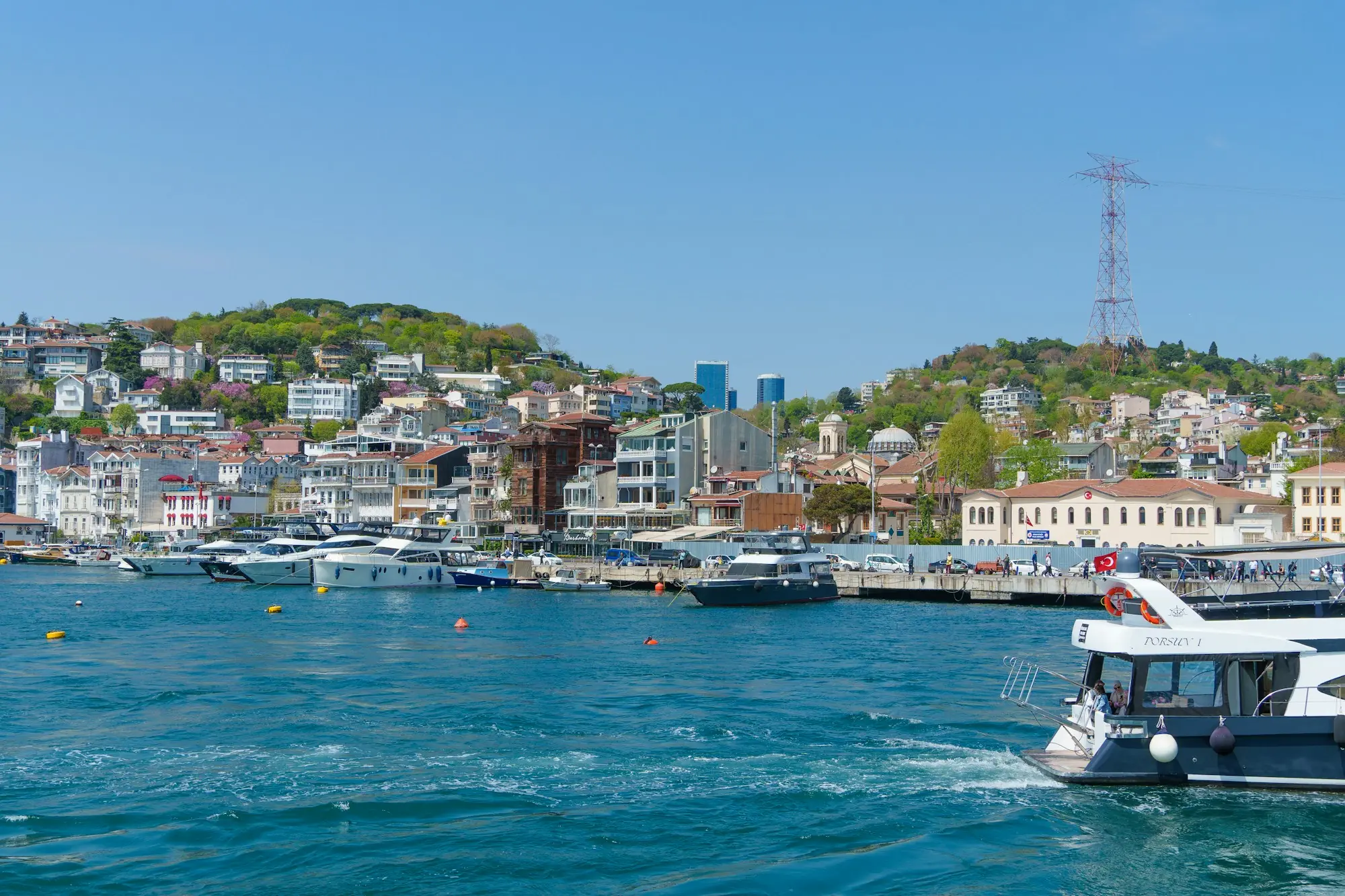
Waterfront homes at Arnavutköy on the Bosphorus, Istanbul – Turkey citizenship by investment

Turkey

From US$400,000 real estate

Citizenship through a qualifying property held three years, with a recoverable asset and access to the US E-2 Treaty Investor visa.

  • Around 6–12 months
  • Spouse and children under 18 included
  • No Schengen or UK visa-free access
Turkey citizenship →
Childbirth in Canada

Childbirth in Canada

From about CA$20,000

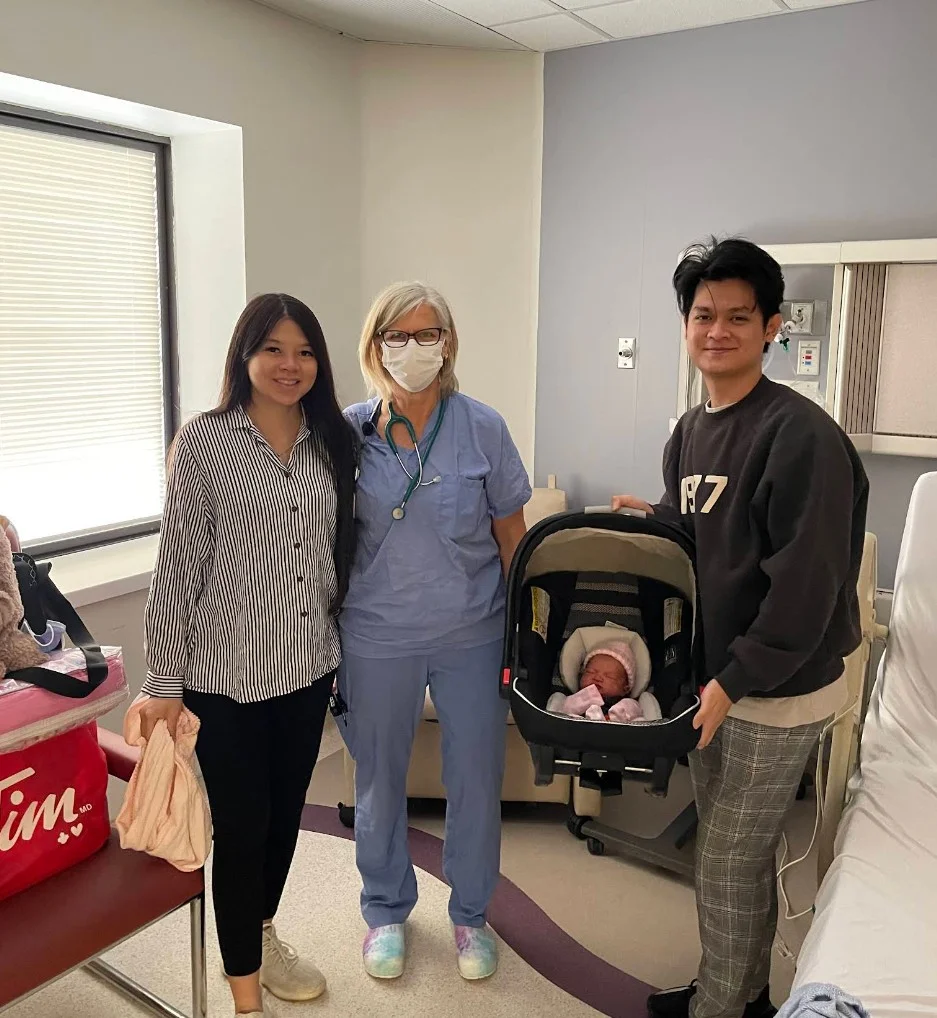
A child born in Canada is a Canadian citizen at birth. We arrange the hospital, the doctor and the passport.

  • Citizenship Act s.3(1)(a)
  • Passport in 3–4 weeks
  • No status for the parents
Citizenship by birth in Canada →

Citizenship by investment benefits and risks

What you gain

  • A passport for life, for the familySpouse, dependent children, and in most programmes parents and grandparents, in one application. Citizenship passes to future children.
  • Visa-free access beyond your current passportSchengen, Singapore, Hong Kong and most of Latin America and the Commonwealth, and the UK on three of the five passports.
  • No residency, no language testYou remain resident where you live now. Interviews are remote; the coming 30-day rule is spread over five years.
  • A zero-tax jurisdiction if you ever need oneNone of the five taxes foreign income, capital gains, wealth or inheritance for its tax residents.
  • Predictable, published pricingEvery fee is set by government schedule. We put the total in writing before you commit to anything.

What could go wrong

  • The EU wants these programmes closed by June 2028In July 2026 the European Commission wrote to all five governments: phase out CBI or risk losing Schengen visa-free access. Vanuatu lost it this way. Schengen access is intact today; it is not guaranteed after 2028.
  • US visa restrictions on two nationalitiesPresidential Proclamation 10998 (from 1 January 2026) bars immigrant, B-1/B-2, F, M and J visas for Antigua and Dominica nationals. A Caribbean passport is never a route into the United States.
  • UK visa-free access withdrawn for two passportsDominica in July 2023, Saint Lucia in March 2026. Antigua, Grenada and St Kitts still enter the UK visa-free.
  • Timelines are longer than advertisedSaint Lucia averaged 18 months and Antigua 14 in Q4 2025. Promises of 60 or 90 days reflect rules that no longer apply.
  • Fees are non-refundable if you are refusedDue diligence and part of the government fees are paid on filing and kept. That is why we pre-screen every file before it goes in.
Jane Katkova, licensed CICC citizenship and residency by investment consultant
Licensed CICC consultancy, Toronto

Plan a second citizenship with a licensed consultant

Jane Katkova has advised on citizenship and residence by investment since 1998. We confirm eligibility, the complete fee schedule and the realistic processing time before you pay anything, and we advise against a programme when it does not fit your circumstances.

  • 25+ yearsadvising on global mobility
  • CICC licensedregulated Canadian consultant
  • 5.0 on Googleclient review rating
  • Toronto officeclients across the US and Canada

Citizenship by investment application process and timeline

  1. 1

    A confidential consultation 45 minutes

    We look at your nationality, family, budget and what you want the passport to do, and tell you which programme fits, or that none does. You speak directly with a licensed CICC consultant.

  2. 2

    Pre-screening 1–2 weeks

    Before any fee is paid we review your background and source of funds the way the government's due-diligence firms will. Issues are resolved at this stage, not after US$10,000 of non-refundable fees.

  3. 3

    File preparation 3–6 weeks

    Police certificates from every country you have lived in, bank references, source-of-wealth narrative, medicals, certified translations. We assemble and check every page.

  4. 4

    Government due diligence and interview 3–16 months

    The unit and its international due-diligence providers verify everything. Applicants aged 16 and over attend a remote interview and give biometrics. We prepare you for it.

  5. 5

    Approval, investment, passport 4–8 weeks

    On approval in principle you complete the donation or purchase, through escrow. The certificate of citizenship and passports follow. We stay on for renewals and the 30-day visits.

Second citizenship compared with a US or Canadian passport

US citizenCanadian citizenUS or Canada resident on another passport
TravelLittle change; a spare passport for sensitive destinationsLittle change; a spare passportLarge change: Schengen, Singapore, Hong Kong, much of the world without visas
Entry to the US and CanadaUnchangedUnchangedUnchanged; the new passport does not help here
TaxUnchanged: worldwide taxation, FBAR, FATCA continueUnchanged while you remain a Canadian tax residentUnchanged until you move
ChildrenA second nationality they inheritA second nationality they inheritA strong passport for children who would otherwise inherit a weak one
US E-2 investor visaNot applicableNot applicable; Canada has its own treatyGrenada opens it for nationals of non-treaty countries, after genuine domicile

Who citizenship by investment suits: US and Canadian applicants

Almost every client we advise falls into one of these two profiles. The programmes are the same; their purpose for each profile differs.

For US and Canadian citizens

For you, the value is not travel: your passport already provides wider visa-free access than any Caribbean one. The value is contingency planning: a second nationality your children inherit, a lawful base in a zero-tax jurisdiction if you ever relocate, and a document that is not tied to one government's decisions.

It does not change your tax position. The US taxes citizens on worldwide income wherever they live, and FBAR and FATCA reporting continue; every one of these islands reports Caribbean bank accounts to the IRS. Canada taxes residents, so nothing changes until you actually leave.

  • Dual citizenship is permitted by the US, Canada and all five islands
  • No relocation, language test or interview in the island (interviews are remote)
  • A lifetime asset, not a visa that expires

For US and Canada residents on another passport

This is the majority of our clients: people on a work permit, study permit, PR card or visa whose own passport requires a visa application for most international travel. A Caribbean passport typically provides visa-free access to the Schengen Area, the UK (three of the five), Singapore, Hong Kong and 140–160 other destinations without a visa.

The key limitation: it does not ease entry to the US or Canada. Canada grants eTA to three of the five nationalities only with a prior Canadian or US visa; the US restricted several visa categories for Antigua and Dominica nationals in January 2026. Grenada's E-2 treaty is the exception, and only for nationals of countries without their own treaty.

  • Which programme you qualify for depends on your nationality and residence history
  • Source-of-funds evidence from your current country is the core of the file
  • We file through licensed local agents; you never travel for the application

Request a citizenship by investment programme recommendation

Tell us your nationality, family and what you need the passport to do. We will say which programme fits, what it costs in full, and its realistic processing time.

Frequently Asked Questions

your questions answered

Is citizenship by investment legal?

Yes. Each of the five programmes is created by an Act of Parliament and run by a government unit: Antigua and Barbuda (2013), Dominica (1993), Grenada (2013), St Kitts and Nevis (1984) and Saint Lucia (2015). Since December 2025 all five are supervised by a regional regulator, ECCIRA. What is not legal is misrepresenting your background or the source of your funds, which is why the vetting is thorough.

Which citizenship by investment programme has the lowest minimum investment?

Dominica, at US$200,000 for a single applicant and US$250,000 for a family of up to four, before government fees. Antigua and Barbuda is usually the cheapest for a family of four (US$230,000 flat) and Saint Lucia for large families, because its add-on dependants cost US$10,000–20,000. The lowest price is rarely the deciding factor; each passport's UK and US position matters more.

Do I have to live there or give up my current citizenship?

No to both. None of the five requires renunciation, and Canada and the US allow dual citizenship. Today there is no residency requirement; the ECCIRA rules being introduced in 2026 ask for 30 days in the country over the first five years, which most clients treat as holidays.

Will a Caribbean passport reduce my US or Canadian taxes?

Not by itself. The US taxes its citizens wherever they live and requires FBAR and FATCA reporting regardless of other passports. Canada taxes residents; you keep paying Canadian tax until you sever residential ties. The islands' zero tax on foreign income applies to their tax residents, generally people who spend 183 days a year there.

How long does it take?

From a complete file: St Kitts and Nevis about 5 months, Grenada about 7, Dominica about 9, Antigua and Barbuda about 14 and Saint Lucia about 18, on Q4 2025 averages. Add four to eight weeks for preparing the file and a similar period after approval for the investment and passport issuance.

Can I be refused, and what happens to my money?

Yes. Applications are refused for undisclosed criminal history, unverifiable funds, sanctions exposure or inconsistencies in the file. The investment itself is not paid until approval, but due-diligence fees and part of the government fee are paid on filing and are not returned. We pre-screen every file to keep that risk low.

Jane Katkova, founder of Fast Passport Boutique and licensed CICC consultant for citizenship and residency by investment
Talk to Jane Katkova's team

Discuss Citizenship by Investment with a licensed consultant

A confidential consultation with a licensed CICC consultant. We assess eligibility and total cost before you commit to any programme.

  • Licensed CICC consultant
  • Toronto office, clients across the US and Canada
  • Confidential first consultation
Reviewed by our clients on GoogleLicensed CICC MemberAdvising HNW families since 1998