“Do I have to move there?” is the objection that stops more people from pursuing a second citizenship than cost ever does. It is also the objection most easily answered, because for the great majority of investment-migration programs the answer is: no, you do not have to relocate. But the details differ by program, and the difference matters — both for keeping your status valid and for understanding your tax position. This guide sets out the real physical-presence rules across the programs we advise on, so you can plan around your actual life.
Caribbean citizenship: essentially no residence requirement
The Caribbean citizenship-by-investment programs are the most flexible in the world on this point. You do not need to visit before applying, you do not need to live there after, and your citizenship never expires for lack of presence. Grenada, St Kitts and Nevis, Dominica and St Lucia impose no stay requirement at all. The single exception is Antigua and Barbuda, which asks you to spend just five days in the country within your first five years as a citizen — a long weekend, once, in half a decade. For anyone whose priority is mobility without disruption, this is why the Caribbean is so popular.
Portugal Golden Visa: about seven days a year
The Portugal Golden Visa is the standout among European routes precisely because it pairs a low presence requirement with a genuine path to citizenship. To keep the residency valid you need to spend an average of only about seven days per year in Portugal. That minimal footprint is enough to build the five years of legal residency that make you eligible to apply for an EU passport — without ever giving up your primary home elsewhere.
Greece Golden Visa: no minimum stay
The Greece Golden Visa goes further still: there is no minimum-stay requirement to maintain it. You can hold Greek residency and Schengen access for years while visiting only when you wish. The trade-off, covered in our Portugal vs Greece comparison, is that this zero-stay lifestyle does not build the genuine residence Greece requires for naturalisation — so Greece is a residency product, not a citizenship one.
Malta residency: keep a qualifying property
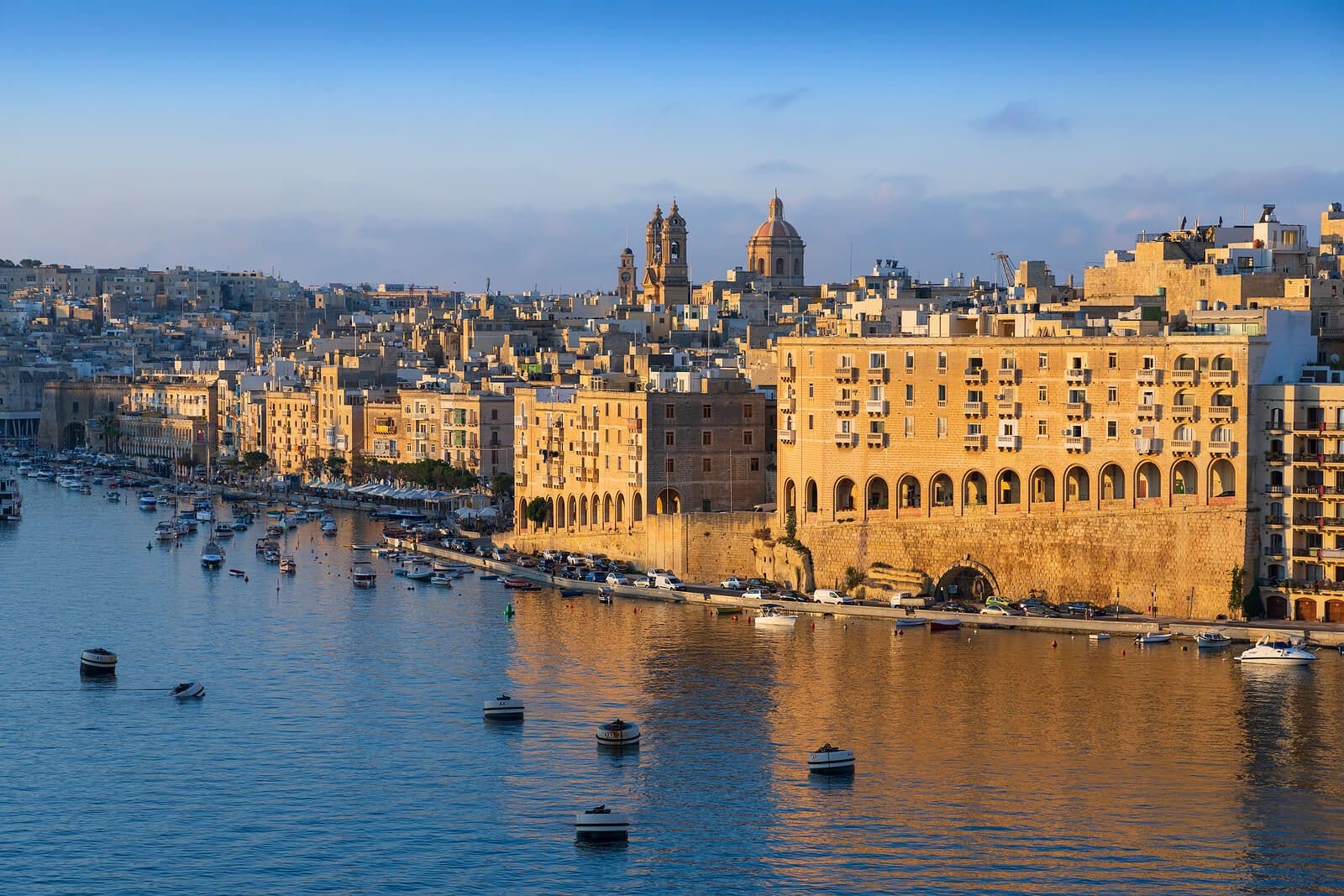
Malta's residency program (the MPRP) does not impose a day-count either, but it does require you to hold a qualifying property — owned or leased — for the duration. Your obligation is financial and contractual rather than physical. Note carefully: Malta no longer offers a citizenship-by-investment route. Following an EU Court of Justice ruling in April 2025, Malta's investor-citizenship scheme is closed, and only residency remains available.
Presence versus tax residency — do not confuse them
Here is the point most guides skip. The days you must spend to keep your status are a completely separate question from the days that make you tax-resident somewhere. Holding Portuguese or Greek residency does not, by itself, make you liable for tax there; tax residency generally turns on where you actually live and spend your time — often the 183-day rule — and on local law. It is entirely possible to hold a golden visa and remain tax-resident only in your home country. Because this is where costly mistakes happen, we always recommend proper cross-border tax advice before you invest; our tax and second citizenship overview is a starting point, not a substitute for it.
Residency card versus citizenship — a distinction worth getting right
Much of the confusion around “living there” comes from blurring two very different statuses. A golden visa is a residency permit: it lets you live, and travel within Schengen, and it must be renewed on a schedule (Portugal and Greece renew on multi-year cycles). Its presence rules exist to keep that permit valid. Citizenship is permanent: once you hold a Caribbean passport, no amount of absence can take it away. When people ask whether they “have to live there,” they are usually picturing the obligations of a temporary permit and applying them to a permanent passport — which is why the Caribbean answer surprises them. Our citizenship versus residency guide unpacks the difference in full.
What presence rules mean for your children
Families rightly want to know how these rules affect the next generation. For Caribbean citizenship the answer is the simplest possible: children included in your application become citizens for life, with no presence obligation, and can later pass citizenship to their own children. For golden visas, dependent children hold residency alongside you and are bound by the same minimal presence rules; the practical planning question is usually about education and where the child will actually study, rather than about maintaining the permit, which requires very little. If a child ages out of dependency during the process, that is a detail worth planning for early, and one we routinely handle.
Planning your minimal visits efficiently
Where a small amount of presence is required — Portugal's roughly seven days a year, Antigua's five days across five years — it pays to be deliberate rather than anxious about it. A single well-timed trip can satisfy Portugal's annual average, and it can double as the family holiday you were going to take anyway. Because the requirement is an average in Portugal's case, a longer visit one year can offset a year with none. The goal is to treat the presence rule as a light piece of admin to schedule, not a lifestyle change to absorb. We help clients map these visits years ahead so they never risk their status by accident.
A note on your existing citizenship
None of these programs asks you to give up the citizenship you already hold — the Caribbean states and European golden visas all permit dual status. The one place this needs individual care is where your current country restricts dual nationality; some nationalities must take specific advice before acquiring another passport. That is about your existing citizenship's rules, not the program's, and it is exactly the kind of question to raise in a consultation before you commit.
Matching the rule to your life
So the practical question is not “do I have to move?” but “how much presence, if any, am I willing to give — and what do I want at the end?” If the answer is “none, and I want a passport fast,” the Caribbean fits. If it is “a week a year, and I want an EU passport eventually,” Portugal fits. If it is “none, and I just want European residency now,” Greece fits. Getting that match right is the heart of good advice.
Want us to map the presence rules against your travel and tax situation? Check your eligibility or book a free, confidential consultation with Jane Katkova's licensed team.